
 Ciudad inteligente
 Fabricación inteligente
 Médico inteligente
 IoT y computación de borde
 Inteligencia artificial
 One-Stop IPC Hub
Computadoras de estaciones de trabajo industriales: Impulsando la precisión y la eficiencia en la fabricación automatizada
La fábrica moderna exige más que capacidad de procesamiento: exige confiabilidad. Cuando una línea de producción se detiene, cada segundo cuesta dinero. Aquí es donde las estaciones de trabajo industriales se vuelven indispensables.
A diferencia de las PC de consumo que luchan en entornos industriales hostiles, computadora de estación de trabajo industrial (computadora de la estación) están diseñados específicamente para la fabricación. Ellos manejan el polvo, cambios de temperatura, y operación continua que destruiría el equipo estándar. Para fabricantes que utilizan máquinas CNC, líneas de montaje automatizadas, o sistemas de control complejos, la estación de trabajo adecuada no es un lujo: es la base de una producción eficiente.
El papel principal de las estaciones de trabajo en la producción automatizada
La mayoría de las estaciones de trabajo industriales cuentan con:
- Diseño sin ventilador: Sin piezas móviles, no hay acumulación de polvo y hay menos puntos de falla.
- Rango de temperatura extendido: Normalmente de -20 °C a 70 °C, a veces más ancho
- Almacenamiento de estado sólido: Más fiable que los accionamientos mecánicos en entornos propensos a vibraciones
- Múltiples opciones de E/S: Soporte para ambos protocolos industriales heredados (RS-232, RS-485) e interfaces modernas
- Componentes redundantes: almacenamiento RAID, fuentes de alimentación duales, y sistemas de respaldo
La estación PC (Estación de trabajo Computadora industrial) Sirve como núcleo de control inteligente y nodo de interacción de datos para cada estación de operación independiente en una línea de producción automatizada.. Como terminal de control industrial más cercano a la ejecución de la producción en sitio, Actúa como un puente que conecta la parte superior. Sistemas MES/ERP con los sensores y actuadores subyacentes. Es el soporte de hardware fundamental para realizar automatización de una sola estación, Colaboración en líneas de producción y fabricación inteligente., y también el punto de entrada principal para la digitalización a nivel de estación en la fabricación inteligente.
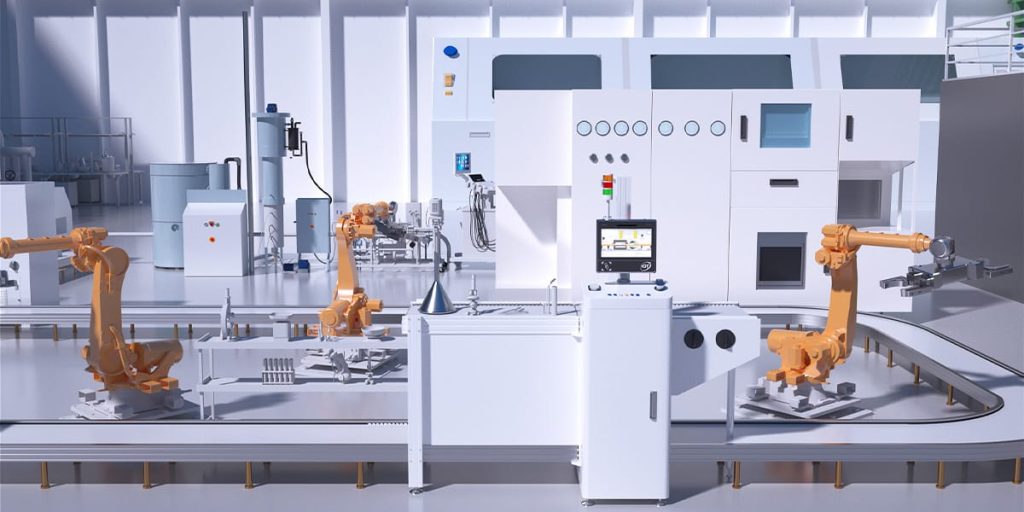
Su posicionamiento central se puede resumir como: el centro de control, terminal de adquisición de datos, interfaz hombre-máquina (HMI) y nodo de colaboración de equipos de una sola estación. Reemplaza las operaciones manuales tradicionales y los métodos de control simples., actualizar cada estación de producción de un ejecutor pasivo a una unidad inteligente independiente capaz de percepción autónoma, toma de decisiones inteligente, ejecución precisa, retroalimentación en tiempo real, y, en última instancia, respaldar la automatización, Operación flexible y digital de toda la línea de producción..
- Coordinación de máquinas CNC: Gestionar el movimiento de herramientas, velocidad del husillo, y flujo de refrigerante con precisión
- Sincronización robótica: Garantizar que varios brazos se muevan en perfecta sincronización
- Sistemas de control de calidad: Captura de mediciones y toma de decisiones en tiempo real
- Monitoreo de equipos: Detectar anomalías antes de que se conviertan en fallos
La mayoría de las fábricas operan una combinación de equipos, algunos nuevos, algunas décadas de antigüedad. Reemplazar todo de una vez no es práctico. Las estaciones de trabajo industriales cierran esta brecha mediante el soporte de protocolos industriales heredados..
Una máquina CNC más antigua podría comunicarse a través de una conexión serie RS-232. Un brazo robótico más nuevo podría usar Ethernet. Un PLC heredado podría hablar Modbus. Las estaciones de trabajo industriales soportan estos protocolos de forma nativa, Permitir a los fabricantes integrar equipos antiguos y nuevos sin reemplazar sistemas completos..
Esta compatibilidad es valiosa.. Significa que puede modernizar sus sistemas de control de forma incremental, actualizar una máquina o línea a la vez en lugar de realizar una revisión completa de la fábrica.
Seleccionar la PC de estación de trabajo industrial adecuada
Elegir una PC industrial requiere comprender sus necesidades específicas:
Ambiente: ¿Cuáles son los rangos de temperatura?, niveles de polvo, y exposición a la humedad en sus instalaciones? Esto determina el nivel de robustez requerido..
Requisitos de procesamiento: ¿Qué aplicaciones se ejecutarán en el sistema?? El control en tiempo real exige especificaciones diferentes a las del registro de datos.
Necesidades de E/S: ¿Con qué equipos debe comunicarse la estación de trabajo?? Las máquinas heredadas pueden requerir puertos serie; Los sistemas modernos necesitan Ethernet y USB..
Ampliabilidad: ¿Crecerán tus necesidades?? ¿Puede el sistema acomodar almacenamiento adicional?, memoria, o potencia de procesamiento?
Soporte y mantenimiento: ¿Quién mantendrá el sistema?? ¿Necesitas soporte local?, o puedes trabajar con asistencia remota?
Al seleccionar una estación de trabajo industrial para la producción automatizada, No hay superioridad absoluta entre Estación de PC industriales todo en uno y Estación de PC industriales (tipo dividido). La decisión principal debe tomarse basándose en una evaluación exhaustiva del diseño del sitio., requisitos operativos, Condiciones ambientales y necesidades de expansión de las estaciones de trabajo de la línea de producción.. Ambos tipos pueden satisfacer plenamente las demandas principales del control a nivel de estación., Adquisición de datos e interacción hombre-máquina., con sus respectivas fortalezas en el factor de forma del hardware, Adaptabilidad espacial y flexibilidad funcional., siendo así adecuado para diferentes escenarios de estaciones de trabajo de producción.
PC industrial todo en uno Station
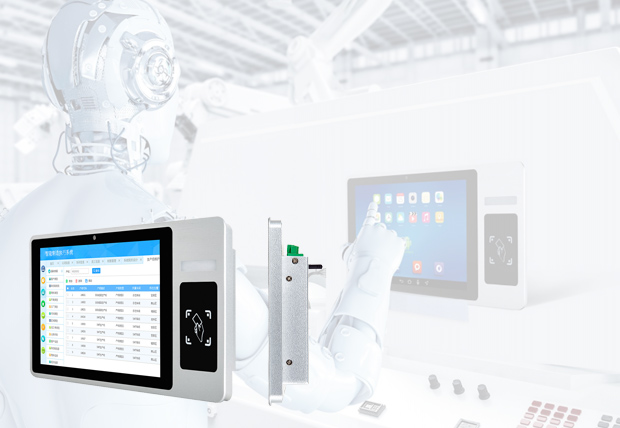
PC todo en uno con estación integrada para MES/ERP
La PC Station All-in-One está disponible con 10,1″ y 11,6″. Identificación de tarjeta D/NFC, Código de barras/código QR, luz de alarma, etc..
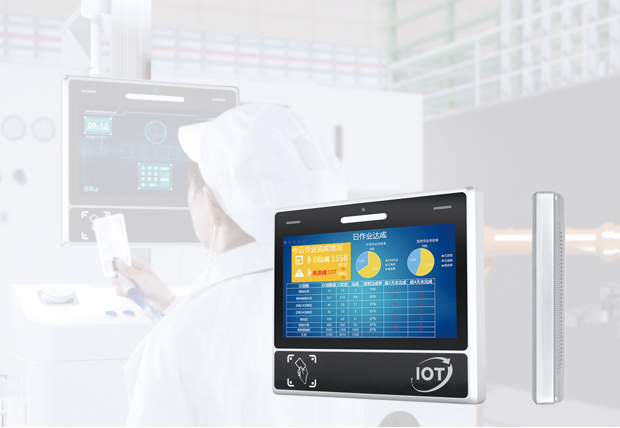
Estación de trabajo de línea de producción PC todo en uno
Estación de trabajo integrada PC todo en uno con alarma|NFC|Vocero|PC del panel táctil de la cámara de Wifi 100W del código de barras
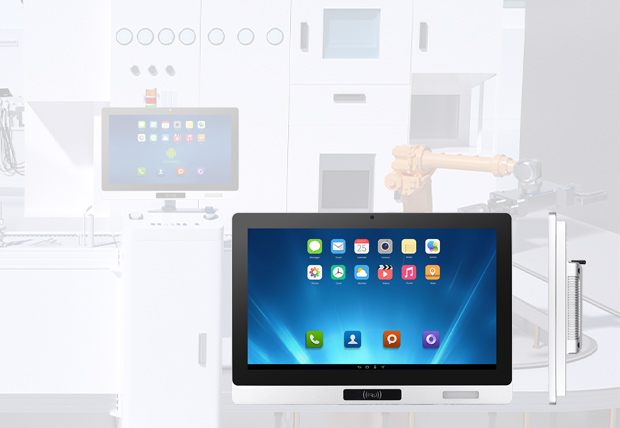
Estación de trabajo industrial todo en uno con pantalla táctil
Estación de trabajo industrial todo en uno con 10,1″, 11.6″, 15.6″ y 21,5″. Soportes basados en ARM Rockchip® RK3399, RK3568, RK3588, etc..
Estación de trabajo de producción / PC de la estación
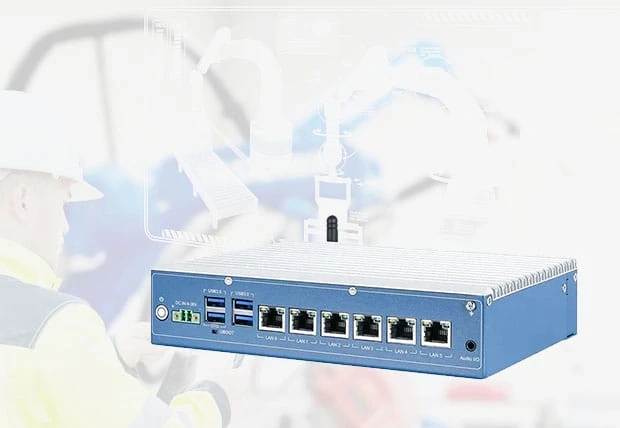
Estación de trabajo multifuncional PC integrada
Puerta de enlace+Registrador de datos+IPC+Enrutador, Procesador Rockchip® RK3588 octa-core de 64 bits, integra 6 LO MEJOR en informática con IA, y admite vídeo 8K
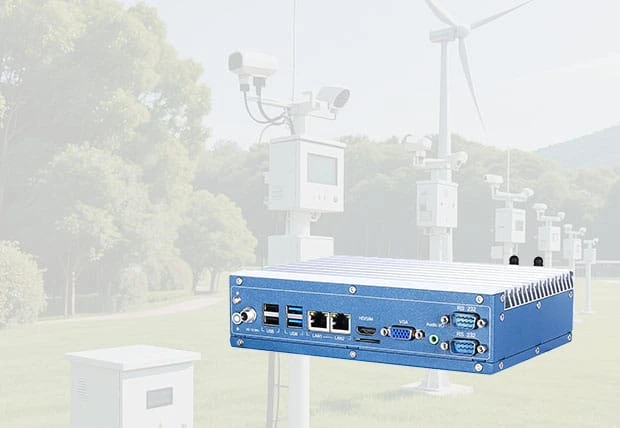
PC de estación industrial sin ventilador para terminal MES
Tamaño: 224.8×138,5×53,65 mm, soporta mini PCIe, sata, e interfaces mSATA, 5Procesadores Intel® Core™ i3/i5/i7 de 4.ª a 13.ª generación
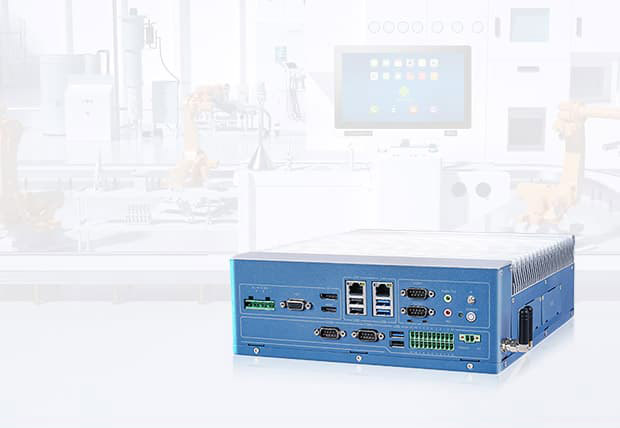
Estación de trabajo industrial Windows para estaciones de producción
CPU discreta, admite procesadores Intel® Core™ i3/i5/i7/i9, Win10/11 opcional, USB*6, COM*4 y GPIO aislados de 16 bits
Integración con Sistemas de Producción
La fabricación moderna depende cada vez más de los datos. Programas de producción, métricas de calidad, Rendimiento del equipo: toda esta información fluye a través de sistemas de control.. Las estaciones de trabajo industriales sirven como puente entre los equipos de la fábrica y los sistemas empresariales..
Recogen datos de sensores y máquinas, procesarlo localmente para una respuesta inmediata, y enviar información relevante a los sistemas de ejecución de fabricación. (MES), sistemas de gestión de calidad (sistema de gestión de la calidad), y planificación de recursos empresariales (ERP) sistemas. Esta integración proporciona visibilidad del rendimiento de la producción y permite la toma de decisiones basada en datos..
Preguntas frecuentes
¿Cuánto duran normalmente las estaciones de trabajo industriales??
Las estaciones de trabajo industriales están diseñadas para 7-10 años de funcionamiento continuo. Muchos sistemas siguen funcionando mucho más allá de este plazo con el mantenimiento adecuado.. La vida útil prolongada es una ventaja clave sobre los equipos de consumo..
¿Pueden las estaciones de trabajo industriales ejecutar software estándar??
Sí. La mayoría ejecuta Windows o Linux, asegurando la compatibilidad con el software de fabricación estándar. Algunas aplicaciones requieren sistemas operativos en tiempo real para un rendimiento determinista, pero esto normalmente se maneja a través de configuraciones especializadas en lugar de sistemas propietarios..
¿Qué mantenimiento se requiere??
El mantenimiento preventivo es mínimo: normalmente unas pocas horas al año.. Esto podría incluir la limpieza de filtros de aire. (para modelos sin ventilador), comprobando conexiones, y aplicar actualizaciones de software. El diseño sin ventilador de la mayoría de las estaciones de trabajo industriales elimina muchas tareas de mantenimiento comunes..
¿Cómo se compara la PC de estación con la PC todo en uno de estación para estación de trabajo industrial??
Las Station PC son sistemas independientes que ofrecen total potencia informática y capacidad de ampliación.. Las estaciones de trabajo industriales todo en uno integran pantalla y computadora en una sola unidad, ideal para entornos con espacio limitado. Elija según su aplicación específica y sus requisitos de espacio.
¿Son necesarias las estaciones de trabajo industriales para los pequeños fabricantes??
Sí. Incluso las operaciones pequeñas se benefician de una confiabilidad mejorada y un tiempo de inactividad reducido. Comience con una única estación de trabajo que controle su proceso más crítico, luego expandir según sea necesario. Muchos integradores de sistemas ofrecen soluciones escalables para empresas de todos los tamaños..