
 Smart City
 Smart Manufacturing
 Smart Medical
 IoT & Edge Computing
 Artificial Intelligence
 One-stop IPC Hub
Industrial Workstation Computers: Driving Precision and Efficiency in Automated Manufacturing
The modern factory floor demands more than processing power—it demands reliability. When a production line stops, every second costs money. This is where industrial workstation computers become indispensable.
Unlike consumer PCs that struggle in harsh factory environments, industrial workstation computer (station PC) are purpose-built for manufacturing. They handle the dust, temperature swings, and continuous operation that would destroy standard equipment. For manufacturers running CNC machines, automated assembly lines, or complex control systems, the right workstation isn’t a luxury—it’s the foundation of efficient production.
The Core Role of Workstation PCs in Automated Production
Most industrial workstation computers feature:
- Fanless design: No moving parts means no dust accumulation and fewer failure points
- Extended temperature range: Typically -20°C to 70°C, sometimes wider
- Solid-state storage: More reliable than mechanical drives in vibration-prone environments
- Multiple I/O options: Support for both legacy industrial protocols (RS-232, RS-485) and modern interfaces
- Redundant components: RAID storage, dual power supplies, and backup systems
The Station PC (Workstation Industrial Computer) serves as the intelligent control core and data interaction node for each independent operation station on an automated production line. As an industrial control terminal closest to on-site production execution, it acts as a bridge connecting the upper MES/ERP systems with the underlying sensors and actuators. It is the fundamental hardware carrier for realizing single-station automation, production line collaboration and intelligent manufacturing, and also the core entry point for station-level digitalization in smart manufacturing.
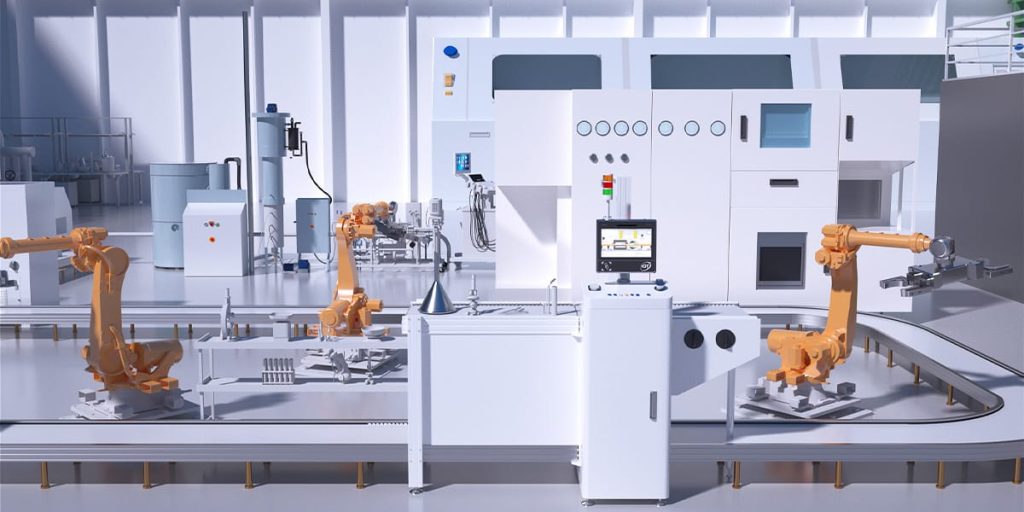
Its core positioning can be summarized as: the control center, data acquisition terminal, human-machine interface (HMI) and equipment collaboration node of a single station. It replaces traditional manual operations and simple control methods, upgrading each production station from a passive executor to an independent intelligent unit capable of autonomous perception-intelligent decision-making-precise execution-real-time feedback, and ultimately supporting the automated, flexible and digital operation of the entire production line.
- CNC machine coordination: Managing tool movement, spindle speed, and coolant flow with precision
- Robotic synchronization: Ensuring multiple arms move in perfect timing
- Quality control systems: Capturing measurements and making decisions in real time
- Equipment monitoring: Detecting anomalies before they become failures
Most factories operate a mix of equipment—some new, some decades old. Replacing everything at once isn’t practical. Industrial workstations bridge this gap through support for legacy industrial protocols.
An older CNC machine might communicate via RS-232 serial connection. A newer robotic arm might use Ethernet. A legacy PLC might speak Modbus. Industrial workstations support these protocols natively, allowing manufacturers to integrate old and new equipment without replacing entire systems.
This compatibility is valuable. It means you can modernize your control systems incrementally, upgrading one machine or line at a time rather than undertaking a complete factory overhaul.
Selecting the Right Industrial worktation PC
Choosing an industrial worstation PC requires understanding your specific needs:
Environment: What are the temperature ranges, dust levels, and moisture exposure in your facility? This determines the ruggedness level required.
Processing requirements: What applications will run on the system? Real-time control demands different specifications than data logging.
I/O needs: What equipment must the workstation communicate with? Legacy machines may require serial ports; modern systems need Ethernet and USB.
Expandability: Will your needs grow? Can the system accommodate additional storage, memory, or processing power?
Support and maintenance: Who will maintain the system? Do you need local support, or can you work with remote assistance?
When selecting industrial workstation for automated production, there is no absolute superiority between Station All-in-One Industrial PCs and Station Industrial PCs (split-type). The core decision should be made based on a comprehensive evaluation of the on-site layout, operational requirements, environmental conditions and expandability needs of production line workstations. Both types can fully meet the core demands of station-level control, data acquisition and human-machine interaction, with their respective strengths in hardware form factor, space adaptability and functional flexibility, thus being suitable for different production workstation scenarios.
Station All-in-One Industrial PC
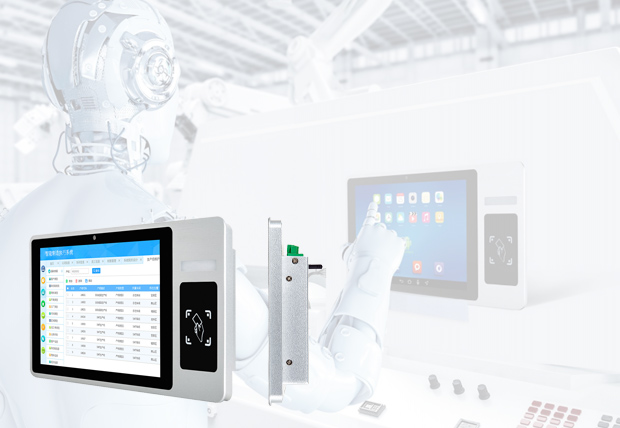
Embedded Station All-in-One PC for MES/ERP
Station All-in-One PC is available with 10.1″ and 11.6″. D/NFC card identification, Barcode/QRcode, alarm light, etc.
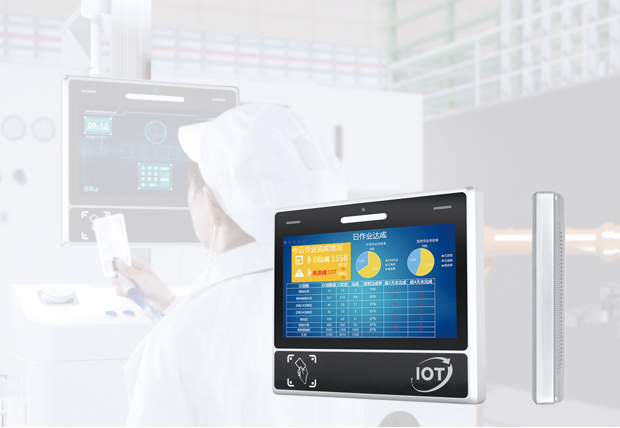
Production Line Workstation All-in-One PC
Integrated Workstation All-in-One PC with Alarm|NFC|Speaker|Barcode Wifi 100W Camera Touch Panel PC
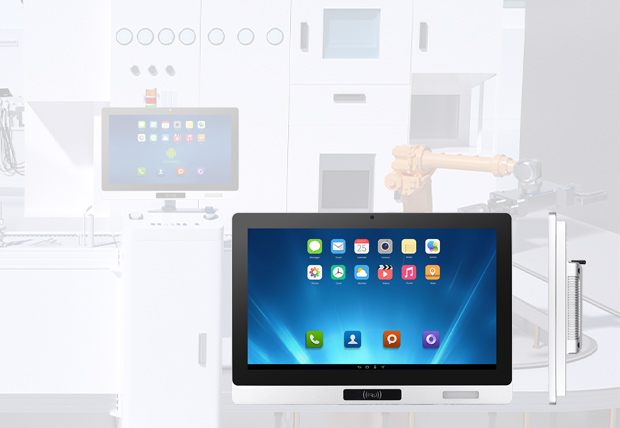
Touch Screen All-in-One Industrial Workstation
All-in-One Industrial Workstation with 10.1″, 11.6″, 15.6″ and 21.5″. ARM-based supports Rockchip® RK3399, RK3568, RK3588, etc.
Production Workstation / Station PC
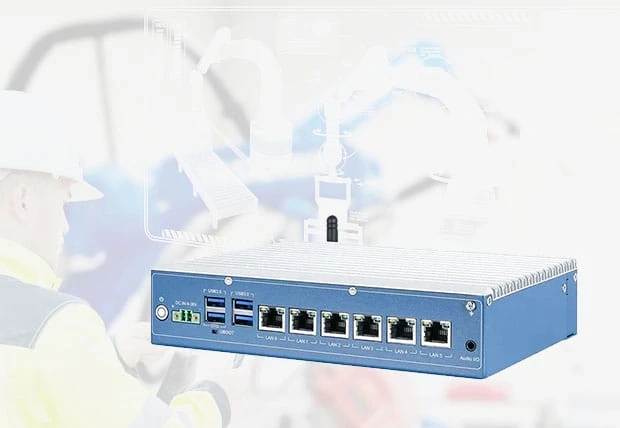
Multifunctional Workstation Embedded PC
Gateway+Data Logger+IPC+Router, Rockchip® RK3588 octa-core 64-bit processor, integrates 6 TOPS AI computing, and supports 8K video
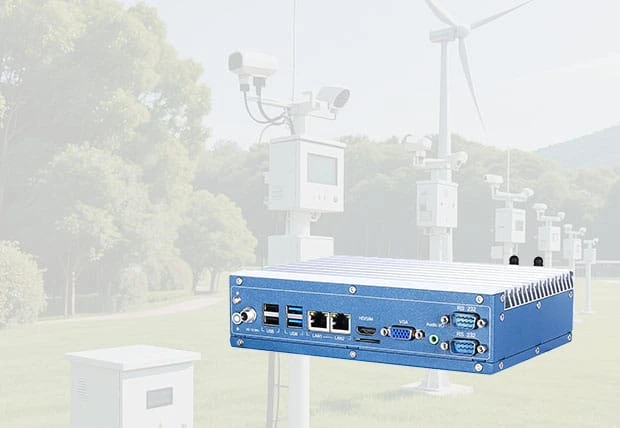
Fanless Industrial Station PC for MES terminal
Size: 224.8×138.5×53.65mm, supports mini PCIe, SATA, and mSATA interfaces, 5th to 13th Generation Intel® Core™ i3/i5/i7 processors
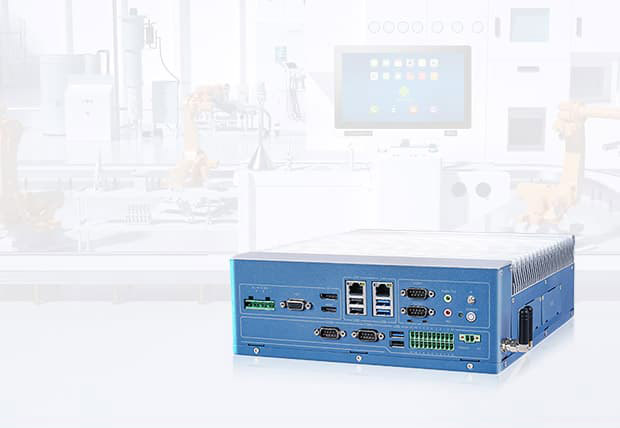
Windows Industrial Workstation for Production Stations
Discrete CPU, supports Intel® Core™ i3/i5/i7/i9 processors, Win10/11 optional, USB*6, COM*4 and 16bit isolated GPIOs
Integration with Production Systems
Modern manufacturing increasingly relies on data. Production schedules, quality metrics, equipment performance—all of this information flows through control systems. Industrial workstations serve as the bridge between factory floor equipment and enterprise systems.
They collect data from sensors and machines, process it locally for immediate response, and send relevant information to manufacturing execution systems (MES), quality management systems (QMS), and enterprise resource planning (ERP) systems. This integration provides visibility into production performance and enables data-driven decision-making.
Frequently Asked Questions
How long do industrial workstations typically last?
Industrial workstations are designed for 7-10 years of continuous operation. Many systems remain functional well beyond this timeframe with proper maintenance. The extended lifespan is a key advantage over consumer equipment.
Can industrial workstations run standard software?
Yes. Most run Windows or Linux, ensuring compatibility with standard manufacturing software. Some applications require real-time operating systems for deterministic performance, but this is typically handled through specialized configurations rather than proprietary systems.
What maintenance is required?
Preventive maintenance is minimal—typically a few hours annually. This might include cleaning air filters (for non-fanless models), checking connections, and applying software updates. The fanless design of most industrial workstations eliminates many common maintenance tasks.
How do station PC compare to station All-in-one PC for industrial workstation?
Station PCs are standalone systems offering full computing power and expandability. All-in-One Industrial Workstations integrate display and computer in a single unit, ideal for space-constrained environments. Choose based on your specific application and space requirements.
Are industrial workstations necessary for small manufacturers?
Yes. Even small operations benefit from improved reliability and reduced downtime. Start with a single workstation controlling your most critical process, then expand as needed. Many system integrators offer scalable solutions for businesses of all sizes.